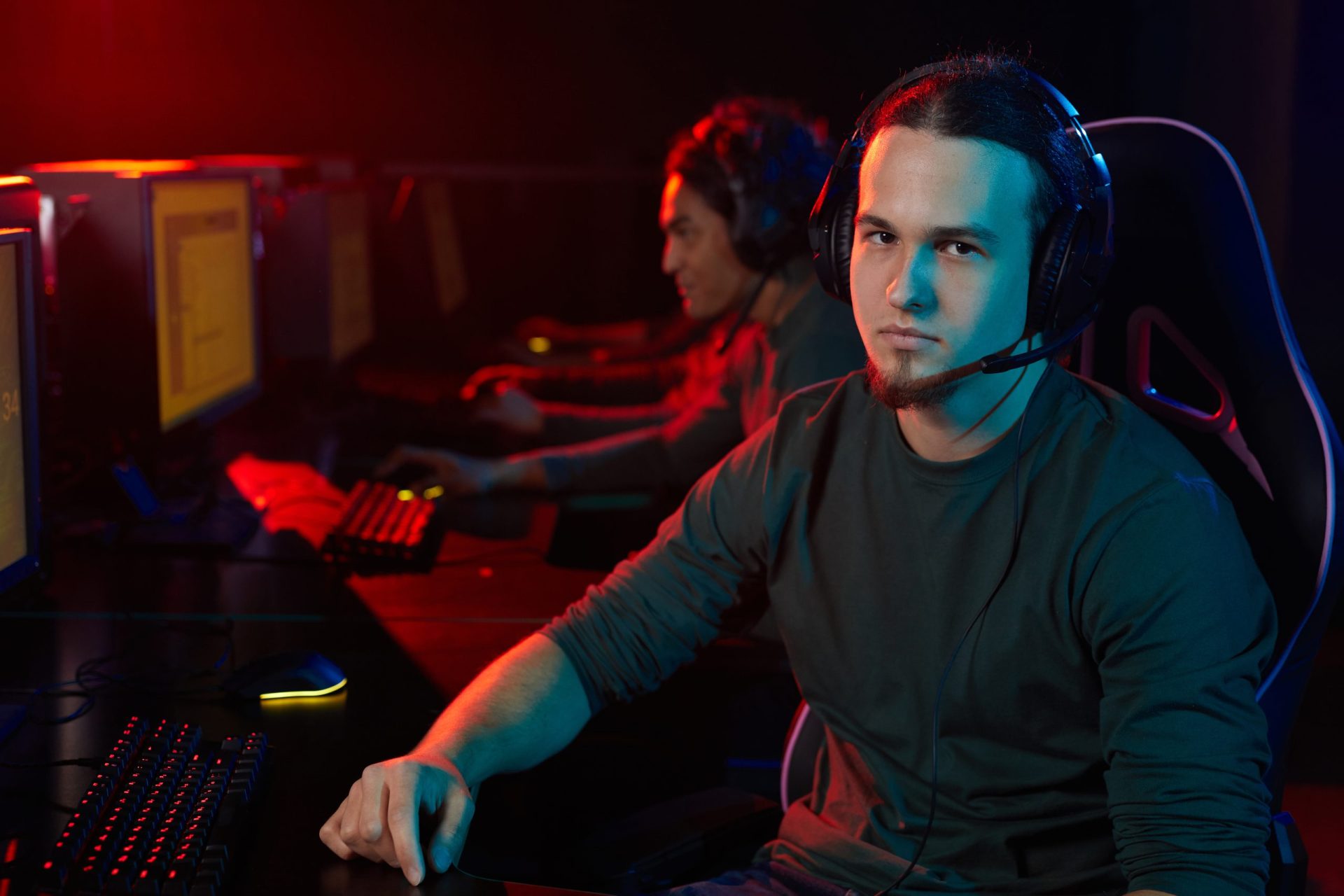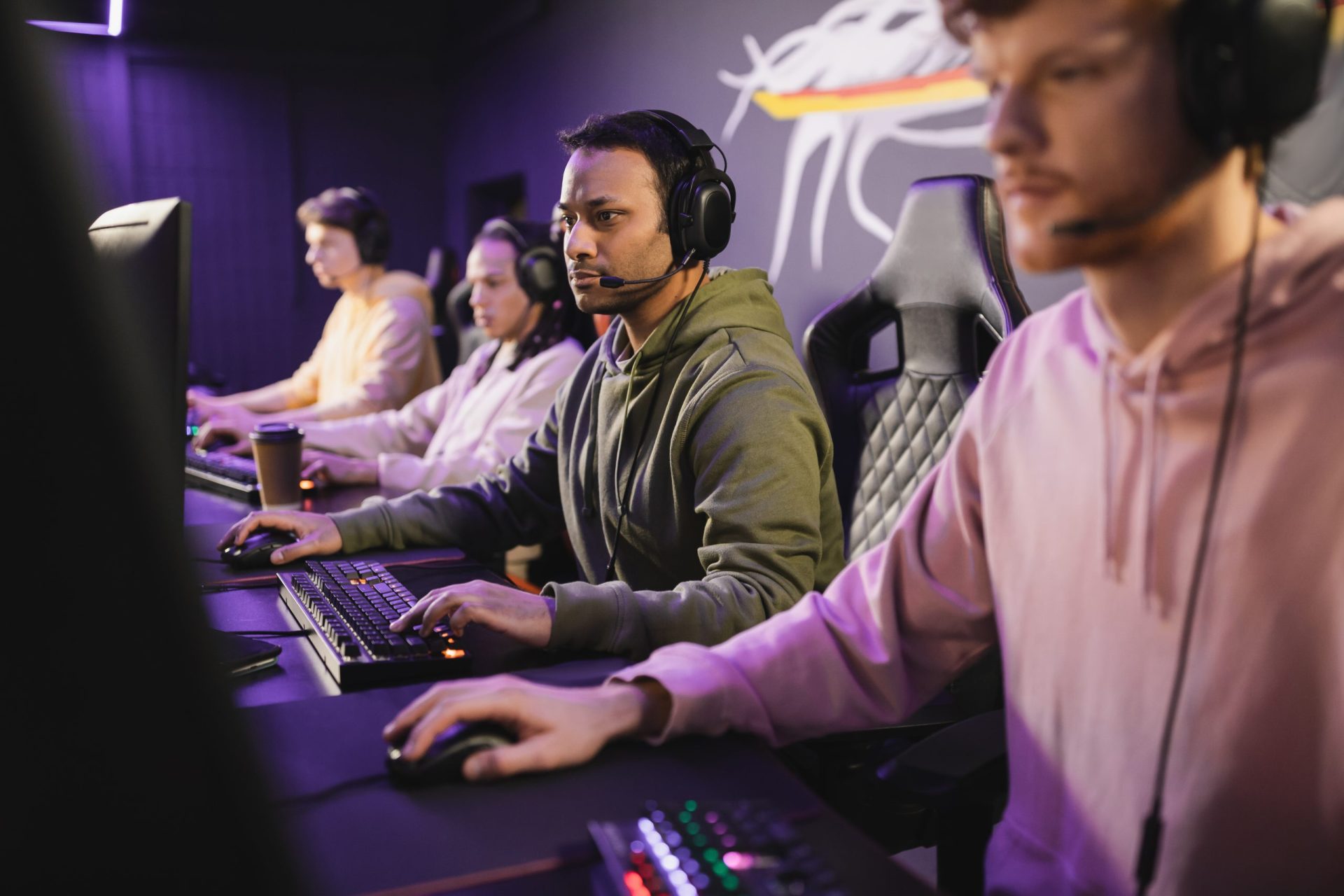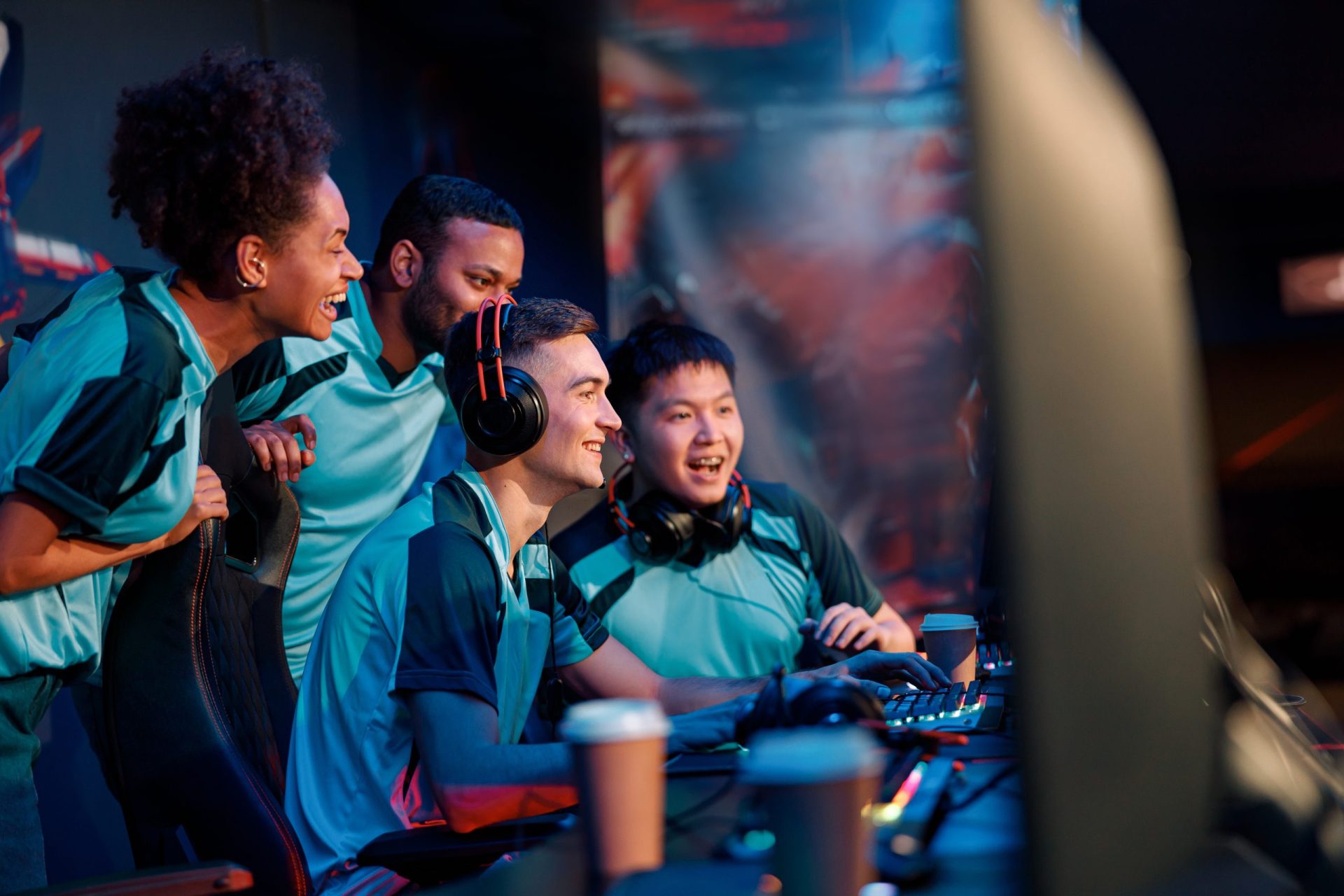
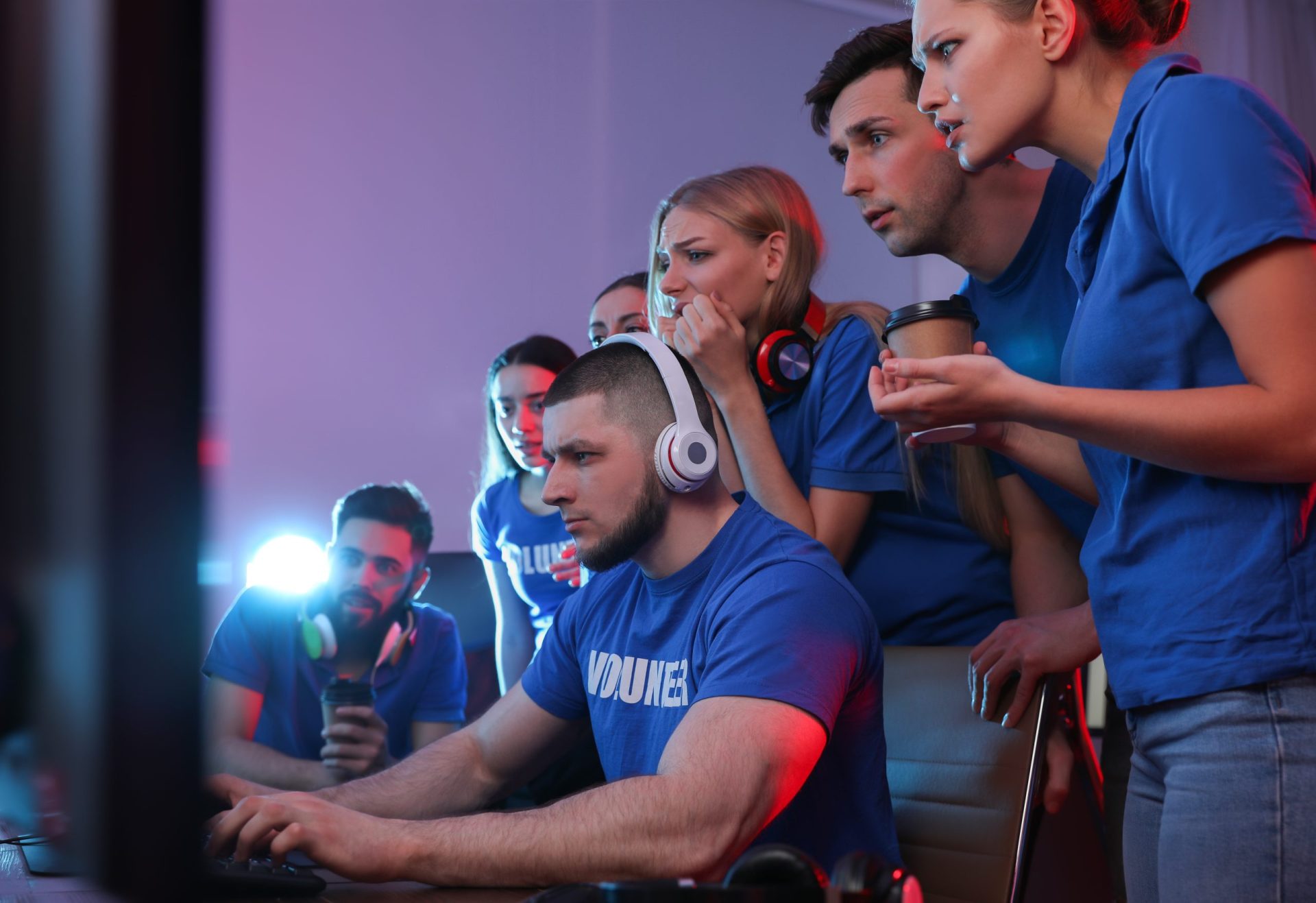
Top esports players don’t become world-class by playing casually. Their skill comes from structured daily training, discipline, and constant performance review. While it may look like they are just “gaming all day,” their routine is actually very planned and focused.
Here is how professional esports players typically train every day.
1. Structured Warm-Up Sessions
Most pros never jump straight into ranked matches.
Typical warm-up routine:
- Aim training (for FPS games)
- Reaction time drills
- Movement practice
- Short unranked matches
Why it matters:
Warm-ups prepare the brain and hands for fast decision-making and precise control.
2. Mechanical Skill Practice
This focuses on raw in-game skills.
Examples:
- Aim accuracy
- Combo execution
- Ability timing
- Fast switching between actions
How they train:
Players often repeat the same actions for hours to build muscle memory.
Result:
They can perform complex actions without thinking.
3. Ranked and Scrim Matches
Scrims are practice matches against other professional teams.
What they do:
- Play against high-level opponents
- Test strategies and team coordination
- Practice communication under pressure
Why it matters:
Scrims simulate real tournament conditions.
4. VOD Review (Gameplay Analysis)
One of the most important parts of training.
What players analyze:
- Mistakes made during matches
- Positioning errors
- Timing issues
- Enemy strategies
How it helps:
Players learn from errors instead of repeating them.
5. Strategy Development Sessions
Teams regularly plan new strategies.
Activities include:
- Map strategy planning
- Role assignments
- Tactical discussions
- Counter-strategy preparation
Result:
Teams stay unpredictable and competitive.
6. Communication Training
Esports is not just individual skill—it is teamwork.
Focus areas:
- Clear and fast callouts
- Staying calm under pressure
- Coordinated team movements
- Role discipline
Why it matters:
Good communication often decides matches.
7. Physical and Mental Training
Top players also focus on health.
Physical habits:
- Regular exercise
- Stretching for hands and wrists
- Proper posture training
Mental habits:
- Stress management
- Focus training
- Avoiding tilt after losses
Result:
Better long-term performance and consistency.
8. Solo Practice Sessions
Outside team practice, players train individually.
What they do:
- Rank grinding
- Skill refinement
- Experimenting with new mechanics
- Learning new characters or weapons
Purpose:
To improve personal weaknesses.
9. Meta Study and Game Updates
Top players always stay updated.
They study:
- Patch notes
- Weapon or character changes
- New strategies emerging in the meta
- Opponent playstyles
Why it matters:
Games constantly change, and players must adapt quickly.
10. Rest and Recovery
Training is balanced with rest.
Recovery activities:
- Breaks between sessions
- Sleep schedules
- Mental relaxation
- Avoiding burnout
Why it matters:
Without rest, performance drops significantly.
Final Thoughts
Top esports players don’t just “play games all day.” Their success comes from:
- Structured daily routines
- Mechanical skill training
- Team coordination practice
- Constant analysis and improvement
- Physical and mental discipline
In simple terms, esports training is closer to professional sports training than casual gaming.