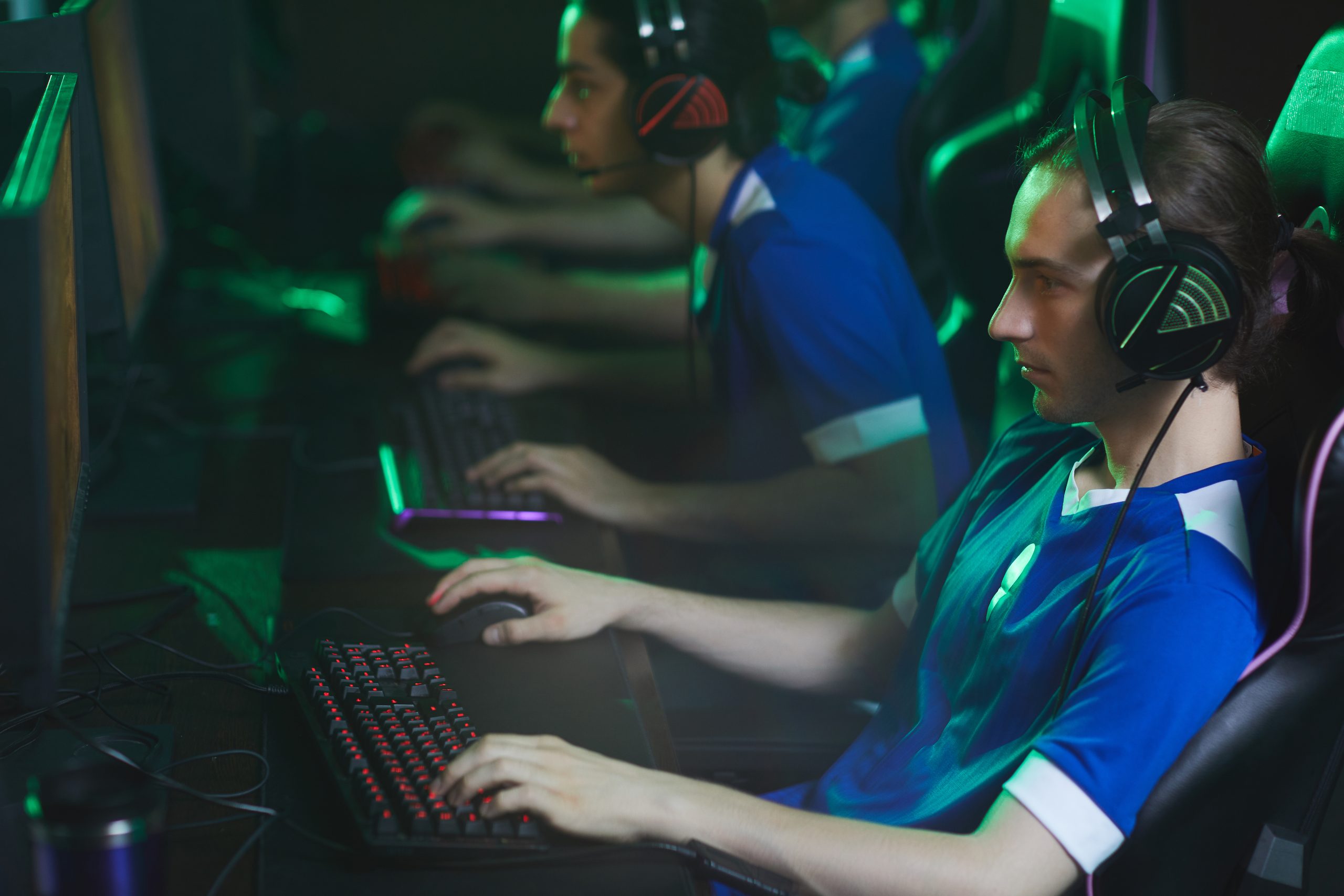
Esports players don’t win because they “play more.” They win because they play smarter, faster, and more structured than average players. At the highest level, even small decisions—like positioning by a few meters or timing a push by a second—can decide entire matches.
This guide breaks down the advanced tactics used by esports professionals across FPS, MOBA, and battle royale games.
1. Pre-Planned Team Strategies (Macro Play)
Professional teams never enter a match without a plan. This is called macro strategy.
What it includes:
- Landing or starting zones
- Early rotation routes
- Resource distribution
- Mid-game objectives
- End-game positioning
Why it matters:
Instead of reacting to the game, esports teams control the flow of the match.
In games like battle royale or MOBAs, macro decisions often matter more than individual skill.
2. Role Specialization (Structured Team Composition)
Every esports team assigns clear roles to players.
Common roles:
- Entry fragger (first attacker)
- Support player
- Sniper / long-range specialist
- IGL (in-game leader)
- Utility / flex player
Advantage:
- Everyone knows their responsibility
- No confusion during fights
- Faster decision-making
Pro insight:
Role discipline creates consistency, even under pressure.
3. Advanced Map Control Techniques
Map control is one of the strongest esports tactics.
Key ideas:
- Controlling high-ground positions
- Blocking enemy rotation paths
- Holding choke points
- Denying resources to opponents
Why it works:
If your team controls the map, the enemy has fewer safe options.
In competitive FPS games, map control often decides the match before the final fight even begins.
4. Information Gathering (Intel Play)
Top players always prioritize information over aggression.
Methods used:
- Sound cues (footsteps, reloads)
- Vision control (watching key angles)
- Drones / scouting tools
- Teammate callouts
Pro mindset:
Knowing enemy position is more valuable than rushing blindly.
5. Utility Timing and Execution
In esports, abilities, grenades, or skills are not used randomly.
They are timed for:
- Area denial
- Enemy displacement
- Coordinated pushes
- Defensive resets
Example:
- Smoke + flash + push = coordinated entry
- Ultimate abilities used for team fight control
Key rule:
Utility is about timing, not just usage.
6. Rotation Mastery
Rotations are movement decisions that decide positioning advantage.
Types of rotations:
- Early rotation (safe positioning)
- Late rotation (risk/reward play)
- Fake rotation (misleading enemies)
Why pros excel:
They rotate before danger happens, not after.
7. Crossfire Setup (Team Fights)
In esports, players never fight alone.
Crossfire concept:
Two or more players cover each other from different angles.
Benefits:
- Enemy gets trapped
- Harder to escape
- Higher kill efficiency
Result:
Even skilled solo players struggle against coordinated crossfires.
8. Economy Management (Especially in FPS Games)
In games like tactical shooters, economy control is critical.
Key ideas:
- Saving weapons for future rounds
- Force-buy strategies
- Coordinated team spending
- Resource denial to opponents
Why it matters:
Winning isn’t just about rounds—it’s about long-term resource advantage.
9. Mind Games and Psychological Pressure
Esports is not only mechanical—it is psychological.
Tactics used:
- Fake pushes
- Delayed rotations
- Sound baiting
- Aggressive pressure to force mistakes
Goal:
Make opponents panic or misread situations.
10. Mid-Match Adaptation (Dynamic Strategy Switching)
Top teams constantly adjust during matches.
They analyze:
- Enemy playstyle
- Weak zones
- Repeated patterns
- Timing habits
Then adapt:
- Change rotation paths
- Switch aggression level
- Focus different players
Pro insight:
Sticking to one strategy makes you predictable.
11. Communication Efficiency (Short Callouts)
In esports, communication is fast and minimal.
Example:
Instead of long sentences:
- “Two mid, low HP, pushing A”
Why it works:
- Faster reaction time
- Less confusion
- Clear team coordination
Rule:
Every second matters during fights.
12. Pre-Fire and Angle Prediction
Pros don’t always wait to see enemies—they predict them.
Techniques:
- Pre-aim common corners
- Pre-fire likely positions
- Hold angles based on sound/info
Result:
Faster kills and fewer surprises.
13. Tempo Control (Speed of the Game)
Esports teams control how fast or slow a match moves.
Fast tempo:
- Aggressive pushes
- Quick rotations
- High pressure
Slow tempo:
- Defensive positioning
- Resource gathering
- Controlled engagements
Why it matters:
Controlling tempo means controlling enemy decisions.
14. Clutch Scenario Training
Clutch situations are 1v2, 1v3, or last-player scenarios.
Pro training includes:
- Isolation fights
- High-pressure simulations
- Decision-making under stress
Skill focus:
- Calm thinking
- Smart positioning
- Resource management
15. Post-Match Analysis (VOD Review)
Top esports players never stop learning.
They review:
- Mistakes in positioning
- Missed opportunities
- Poor rotations
- Communication errors
Why it matters:
Improvement comes faster when you analyze mistakes instead of repeating them.
Final Thoughts
Esports success is not built on reflexes alone. It comes from:
- Strategy
- Communication
- Discipline
- Adaptability
- Team coordination
What separates casual players from professionals is not just skill—but structure and decision-making under pressure.
If you understand and apply even a few of these tactics, your gameplay will immediately become more intelligent and consistent.
If you want next, I can write:
- “How to Train Like a Professional Esports Player”
- Or “Best Practice Routines for Competitive Gamers”
- Or continue your Gaming Slick SEO blog structure (full website build)