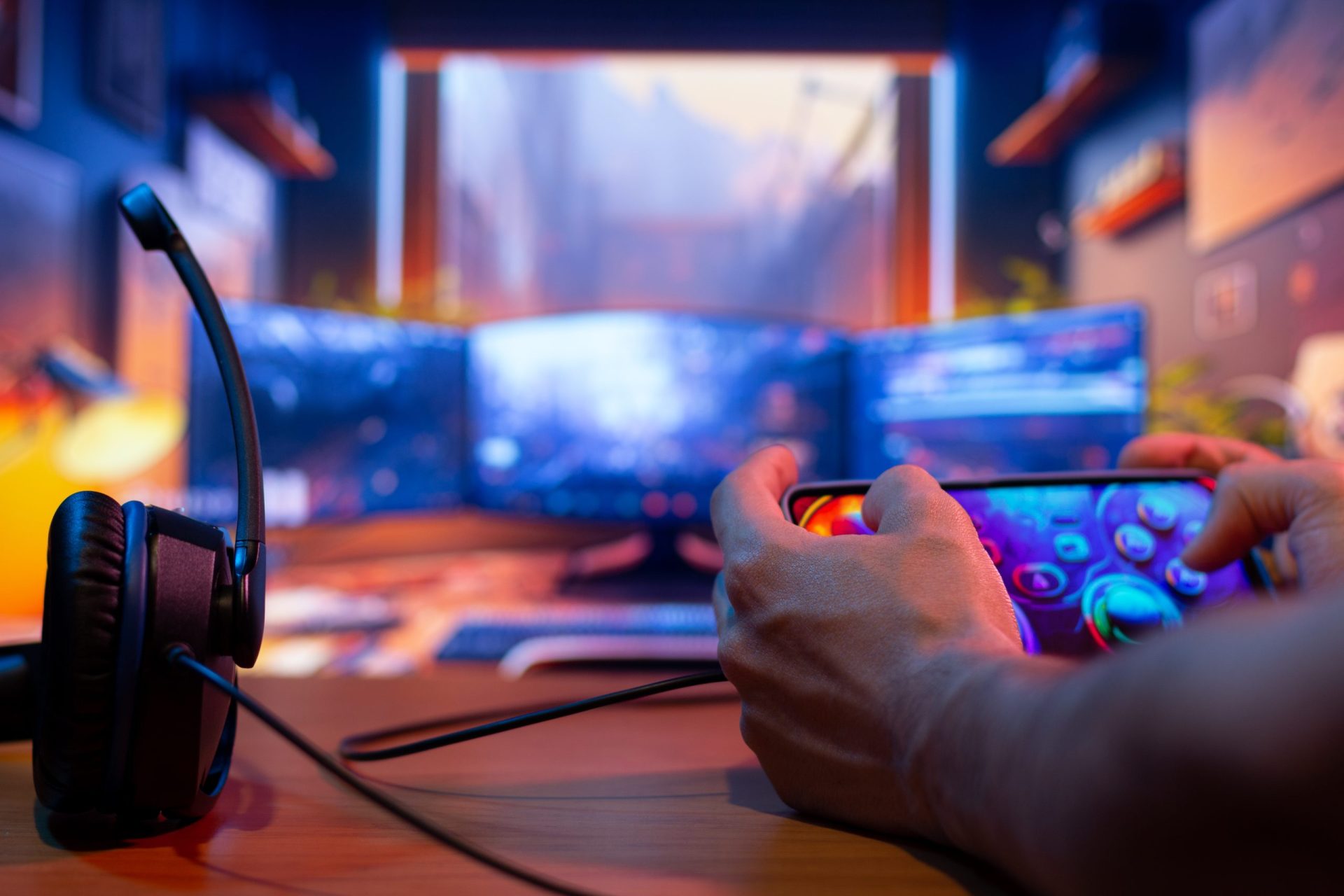
The gaming industry is changing faster than ever in 2026. It’s no longer just about better graphics or new consoles—now it’s about AI, cloud gaming, cross-platform play, live services, and player-driven experiences.
Here are the most important latest trends shaping modern gaming right now.
1. AI is Changing How Games Are Made
Artificial Intelligence is now a core part of game development, not just an experiment.
What AI is doing in gaming:
- Creating game worlds faster
- Designing NPC behavior
- Helping developers test games
- Generating animations and assets
Why it matters:
Games are being built faster and becoming more dynamic and responsive than ever before.
2. Cloud Gaming is Becoming More Popular
Cloud gaming allows players to stream games without expensive hardware.
Key benefits:
- Play AAA games on low-end devices
- No need for powerful PCs or consoles
- Instant access to games via internet
Industry impact:
It’s expanding gaming to millions of new players globally by removing hardware limits.
3. Cross-Platform Gaming is Now Standard
Players can now play together across PC, console, and mobile.
What’s changing:
- Xbox, PlayStation, and PC players can match together
- Progress sync across devices
- Friends can play regardless of platform
Why it matters:
Gaming is becoming more connected and less restricted by device type.
4. Mobile Gaming is Dominating Growth
Mobile gaming continues to be the biggest segment in the industry.
Trends include:
- Console-quality mobile graphics
- Competitive mobile esports
- Cloud gaming support on phones
Why it matters:
Smartphones are now powerful enough to run complex, high-end games.
5. Live-Service Games Are Taking Over
Instead of releasing one-time games, developers now update games continuously.
Features:
- Seasonal updates
- New maps and events
- Battle passes and rewards
- Ongoing balance changes
Impact:
Games now evolve for years instead of ending after launch.
6. Esports is Becoming a Global Industry
Competitive gaming is no longer niche—it’s mainstream.
Key developments:
- Bigger tournaments and prize pools
- Professional gaming careers
- Massive global audiences
Why it matters:
Esports is now comparable to traditional sports in popularity in many regions.
7. AI-Driven NPCs and Smarter Gameplay
Game characters are becoming more intelligent.
What’s new:
- NPCs remember player behavior
- Enemies adapt to tactics
- Dynamic storytelling based on choices
Result:
Games feel more realistic and less predictable.
8. Virtual Reality (VR) and Immersive Gaming
VR is slowly becoming more practical and affordable.
Improvements:
- Better motion tracking
- Lighter headsets
- More realistic environments
Future trend:
Fully immersive gaming experiences are becoming more common.
9. Subscription Gaming Models
Players are moving away from buying single games.
Examples:
- Game subscription services
- Access to large game libraries
- Monthly content updates
Why it matters:
It changes how players access and experience games.
10. Ultra-Realistic Graphics and Engine Technology
Game engines are pushing visual realism to new levels.
Technologies:
- Real-time lighting systems
- Advanced physics simulations
- High-detail environments
Impact:
Games now look closer to movies than ever before.
11. User-Generated Content is Growing
Players are now part of game creation.
Examples:
- Custom maps
- Mods and skins
- Community-built game modes
Why it matters:
Games are becoming platforms, not just products.
12. Faster Game Updates and Continuous Development
Games are updated more frequently than ever.
Changes include:
- Weekly patches
- Live balance updates
- Real-time bug fixes
Result:
Games are always evolving, never truly “finished.”
Final Thoughts
The gaming industry is entering a new era where:
- AI builds games faster
- Cloud gaming removes hardware limits
- Live-service keeps games alive
- Players help shape content
Simple truth:
Gaming is no longer just entertainment—it’s a constantly evolving digital ecosystem.